 Facebook
 X
X
 Pinterest
 Copy Link
FHA vs. Conventional Loans: Understanding Your Mortgage Options
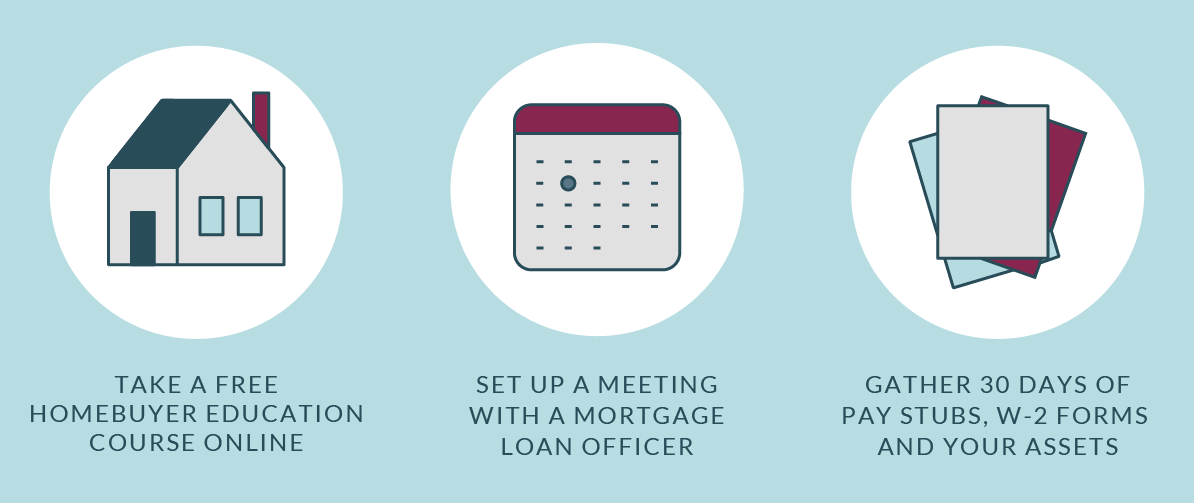

Buying a home is exciting. However, choosing the right mortgage can feel confusing at first. Because several loan programs exist, buyers often wonder which option is best.
Two of the most common choices are FHA loans and conventional loans. Both help buyers purchase a home. However, each loan has different requirements and benefits. Therefore, understanding the differences can help you make a better decision.
This guide will explain:
-
What a conventional loan is
-
What an FHA loan is
-
Key differences between the two
-
How to decide which loan may work best
-
Tips for choosing the right lender
What Is a Conventional Loan?
A conventional loan is a mortgage offered by private lenders. These lenders include banks, credit unions, and mortgage companies. Unlike FHA loans, conventional loans are not insured by the government.
Instead, most follow guidelines set by Fannie Mae and Freddie Mac. Because of this, lenders often require stronger credit from borrowers.
Key Factors of Conventional Loans
Credit Score
Most conventional loans require a credit score of about 620 or higher. However, buyers with higher scores usually receive better interest rates.
Down Payment
Many buyers believe they must put down 20%. However, that is not always true. Some conventional loans allow down payments as low as 3% to 5%.
Mortgage Insurance
If the down payment is less than 20%, lenders usually require private mortgage insurance (PMI). However, once enough equity is built, PMI can usually be removed.
Property Types
Conventional loans are flexible. For example, they can be used for:
-
Primary homes
-
Second homes
-
Investment properties
Benefits of Conventional Loans
-
Mortgage insurance can eventually be removed
-
Flexible property options
-
Lower long-term costs for some buyers
Things to Consider
However, qualifying can be harder for buyers with lower credit scores or limited financial history.
What Is an FHA Loan?
An FHA loan is insured by the Federal Housing Administration. Because the government backs these loans, lenders can offer more flexible approval requirements.
As a result, FHA loans are often popular with first-time homebuyers.
Key Factors of FHA Loans
Credit Score
Buyers may qualify with a credit score as low as 580 with a 3.5% down payment. In some cases, lower scores may still qualify with a larger down payment.
Down Payment
Compared with many loan types, FHA loans require a smaller down payment. In most cases, the minimum is 3.5%.
Mortgage Insurance
FHA loans require two types of mortgage insurance:
-
An upfront mortgage insurance premium
-
An annual mortgage insurance payment
Because of this, FHA monthly payments may be slightly higher.
Property Requirements
Homes financed with FHA loans must meet basic safety and condition standards. Therefore, some homes may need repairs before approval.
Benefits of FHA Loans
-
Lower credit score requirements
-
Smaller down payment options
-
Easier approval for many buyers
Things to Consider
However, FHA loans usually require mortgage insurance for a longer period of time.
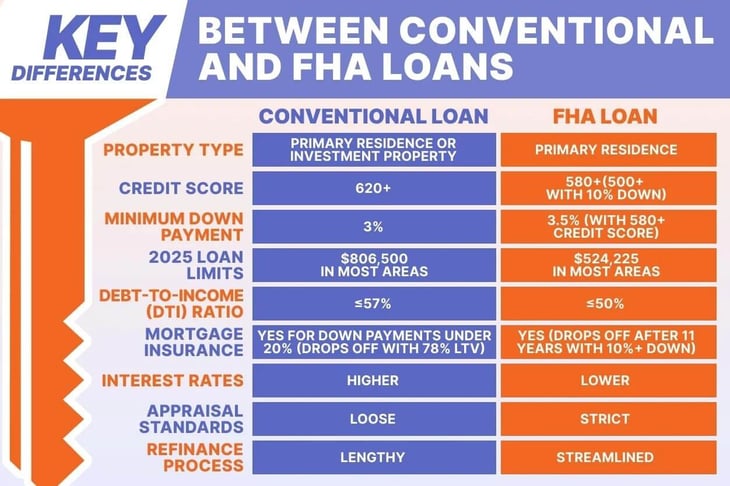
Key Differences Between FHA and Conventional Loans
Both loans help buyers finance a home. However, the requirements and costs can differ.
| Feature | FHA Loan | Conventional Loan |
|---|---|---|
| Minimum Credit Score | About 580 | Usually 620+ |
| Down Payment | 3.5% | 3–20% |
| Mortgage Insurance | Required in most cases | Removable at 20% equity |
| Property Standards | Stricter requirements | More flexible |
| Loan Limits | Lower limits | Higher limits |
Because of these differences, some buyers find FHA loans easier to qualify for. Meanwhile, others prefer conventional loans for long-term savings.
Which Loan Is Right for You?
The best loan depends on your financial situation.
Credit Score
If your credit score is lower, an FHA loan may be easier to obtain. However, buyers with strong credit often receive better terms with conventional loans.
Down Payment
Limited savings may make FHA financing more appealing. However, buyers who can put more money down may prefer a conventional loan.
Long-Term Plans
Some buyers plan to stay in their home for many years. In that case, removing PMI through a conventional loan may save money over time.
Property Condition
Certain homes may not meet FHA standards. Therefore, conventional financing may sometimes be the better option.
How to Find the Best Mortgage Lender
Choosing the right lender is very important. Because loan terms can vary, comparing lenders can save buyers money.
Compare Several Lenders
Experts often recommend speaking with at least three lenders.
Look Beyond the Interest Rate
Interest rates matter. However, buyers should also review:
-
Closing costs
-
Loan fees
-
Discount points
-
Overall loan terms
Review the Loan Estimate
Lenders provide a Loan Estimate document. This document explains the total cost of the loan. Therefore, reviewing it carefully helps buyers understand the full picture.
Ask About Buyer Programs
Some lenders offer helpful programs. For example, they may provide:
-
Down payment assistance
-
First-time buyer grants
-
Reduced interest rates
Common Questions Buyers Ask About FHA and Conventional Loans
Many homebuyers have similar questions when comparing mortgage options. Understanding the answers can make the loan decision easier.
Can You Switch From an FHA Loan to a Conventional Loan?
Yes, many homeowners refinance their FHA loans into a conventional loan later. This often happens when the homeowner builds equity or improves their credit score.
For example, some buyers start with an FHA loan because the qualification requirements are easier. Later, they refinance into a conventional loan to remove mortgage insurance.
Is FHA Only for First-Time Homebuyers?
A common misconception is that FHA loans are only for first-time buyers. However, that is not always the case.
In reality, many repeat buyers also use FHA financing. The key requirement is that the home must usually be a primary residence, not an investment property.
Do FHA Loans Have Lower Interest Rates?
Sometimes, FHA loans offer slightly lower interest rates. However, the required mortgage insurance can increase the overall monthly payment.
Therefore, buyers should always compare the total loan cost, not just the interest rate.
Can Sellers Help With Closing Costs?
Yes, in many cases, sellers can contribute toward the buyer’s closing costs.
For example, a purchase agreement may include seller concessions that help cover:
-
Loan fees
-
Title costs
-
Escrow fees
-
Prepaid taxes or insurance
This can help buyers reduce their upfront expenses when purchasing a home.
Do Both Loans Require Home Appraisals?
Yes. Both FHA and conventional loans require a professional appraisal.
However, FHA appraisals also check that the home meets basic safety and livability standards. Conventional appraisals mainly focus on the home’s market value.
Because of this difference, some older homes may need repairs before they qualify for FHA financing.
Why Understanding Loan Options Matters
Choosing the right loan program can affect your financial future for many years. Monthly payments, mortgage insurance, and qualification requirements all play an important role.
Because every buyer’s situation is different, the best loan option will depend on factors such as credit score, available savings, and long-term goals. Speaking with a trusted lender can help clarify which program makes the most sense.
In addition, working with a knowledgeable real estate professional can help buyers understand the full process from financing to closing.
Final Tip for Buyers
Before beginning your home search, consider speaking with a lender to obtain a mortgage pre-approval. This step helps you understand your price range and strengthens your position when making an offer on a home.
With the right preparation and guidance, buying a home can become a smooth and rewarding experience.
Buying a Home in Central Florida
Many buyers exploring mortgage options are also searching for homes in Sumter County, Florida, Webster, Florida, and areas near The Villages, Florida. Because the local housing market continues to grow, understanding your financing options before starting your home search is especially important.
For example, buyers moving to Central Florida are often attracted to the area’s combination of rural land, small-town communities, and proximity to larger cities. As a result, homes in these areas may include a wide range of property types, such as single-family homes, acreage properties, and new-construction communities.
However, different property types may qualify for different loan programs. Some homes may be well-suited to FHA financing, while others may be better suited to conventional loans, depending on their condition, price range, and location.
Because of these factors, working with professionals who understand the local market can make a significant difference during the buying process.
Check the link section of my site for useful links to help you along your home-buying journey.


